The project ‘The History of Romansh Jewellery and its Reinterpretation’ is titled ‘Rätoredesign’. 2019/2020
It was made possible through a scholarship awarded by the German Society in Stockholm.
I researched traditional räto-romansh jewellery, studied its origins, and created my own interpretations through sketches and handcrafted pieces.
I was very fortunate to gain valuable insight into the craft of goldsmithing with the support of Eduard Gaudy and his team. Mr. Gaudy ran a renowned goldsmithing studio, Gaudy Stockholm, which has recently been taken over by his daughter Natasja. Thanks to him, I was able to learn various techniques and even try casting in sepia (cuttlefish bone).
My ancestors, my family, and I are part of the räto-romansh culture. The Engadin is the valley in Switzerland where I was born and raised. The history of the rätoromans dates back a long time. Behind the traditional jewellery and garments lie myths that are not widely known, and it was these stories I wanted to explore and engage with more deeply.
In September 2019, I travelled to Rijeka and Venice to trace the origins of these jewels. The people from our region, known as the Grisons, have been trading with northern Italy since the Renaissance. Venice still stands on wooden piles made from larch trees from our forests, which were transported across the Adige River. We Romansh people had a powerful position in Venice's trade. We were able to communicate very well with them thanks to our rätoromansh language, a form of Vulgar Latin.
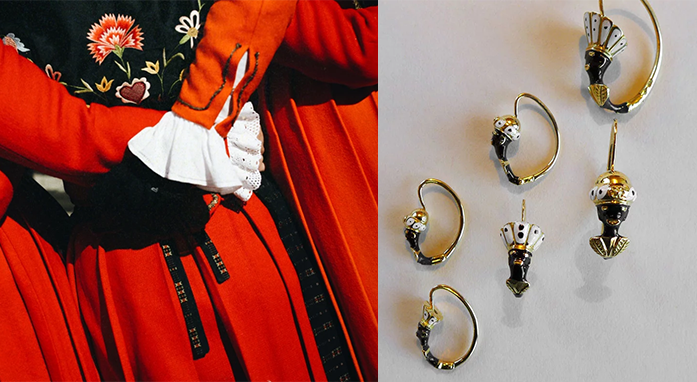
Engadin traditional costume (right),
traditional morins by Jean-Pierre Ruchti, goldsmith, Valendas, Switzerland (left)
Many men were away for months at a time and brought their wives precious fabrics and jewelry upon their return. That’s where the silk, the red woolen cloth in our traditional costume, and the accompanying jewelry originate from.
The Doge had accumulated significant debts with the people of the Grisons, and when the plague once again struck the city of Venice, the rätoromans were expelled from the city in the mid-17th century. They were blamed for the plague alongside the Jewish population, which conveniently also allowed the authorities to rid themselves of their debts! Behind the earrings, which hold great traditional value, lie two legends—one from Croatia and the other from Venice.
In the 17th and 18th centuries, Venice played a very important role in global trade, especially for Croatia. At that time, Rijeka belonged to Venice and was known as Fiume, boasting a powerful port. Alongside spices, perfume essences, clothes, fabrics, and jewelry, slaves dressed in oriental clothing were brought into the palaces of the wealthy Venetian patricians. The Venetian version was far more lavish and precious. For the face, ebony or onyx was used. The morcic from Rijeka are black and enamelled.
Even today, they are displayed and sold in various jewelry shops at Piazza San Marco. The most exquisite Moretto, as they are lovingly called in Venice, is made by the jeweler Nardi.
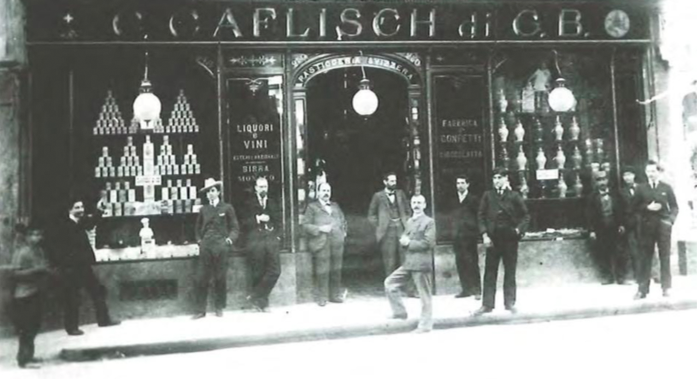
Caflisch confectionery (new company) in Palermo around 1900.
Dolf Kaiser, ‘News from the confectioners of Graubünden: Addendum to an inventory’, 2001
The inhabitants of the Grisons had already been active in Italy and other countries before the 16th century as merchants, mercenaries, or confectioners. Due to the many wars raging at the time, conflicts arose between the different people. The relationships between the customs authorities and the military became unstable. Nevertheless, trade between Graubünden and Italy continued to expand. Grison cattle, Engadin cheese, and Lavez dishes from Plurs were exported to the city of Venice. Venetian salt and grain found their way into our valley.
More and more people from the Engadin began establishing their businesses in Venice and Lombardy. By the year 1600, the number of Grisons inhabitants in Venice already amounted to 3,000.
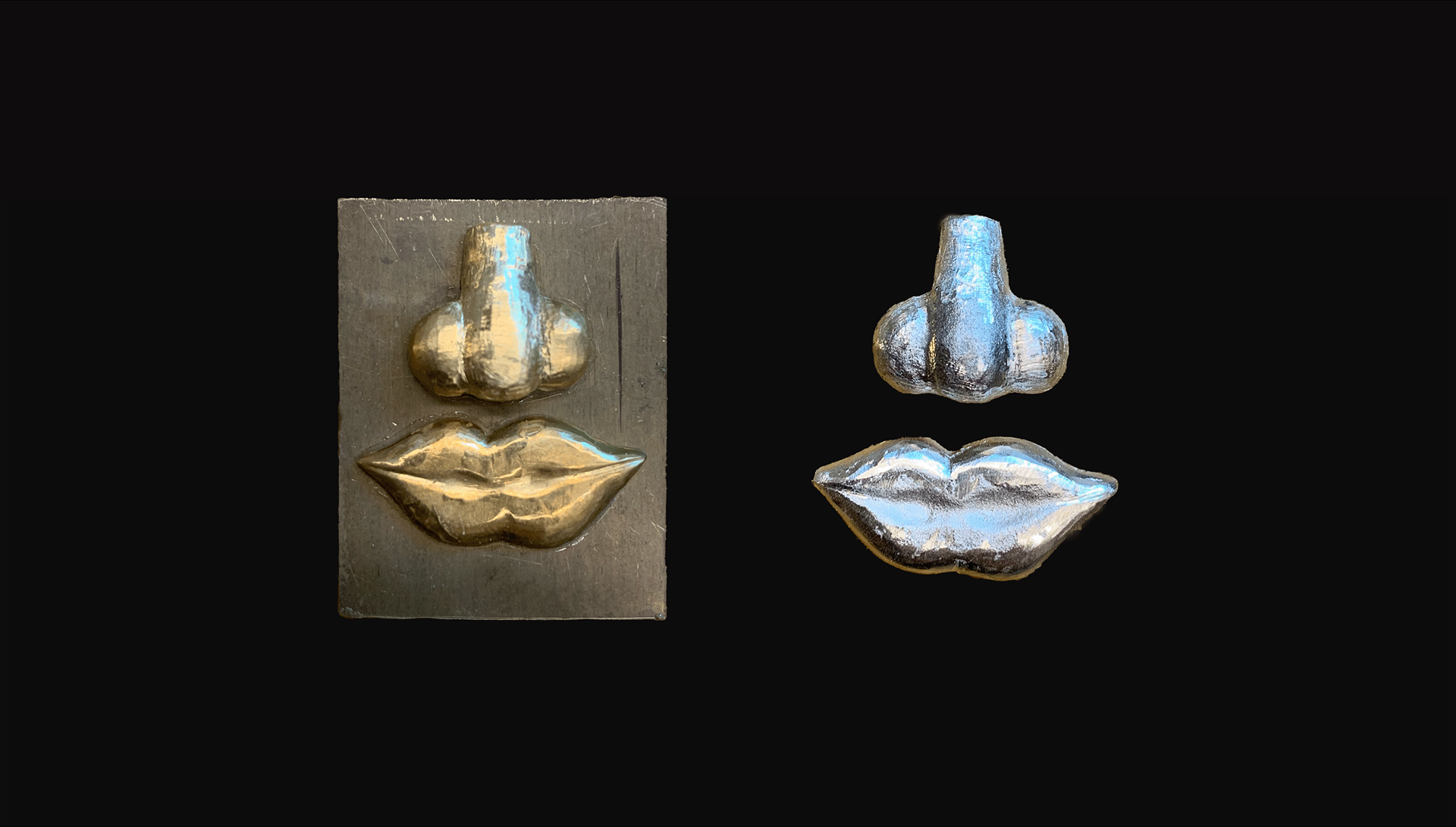
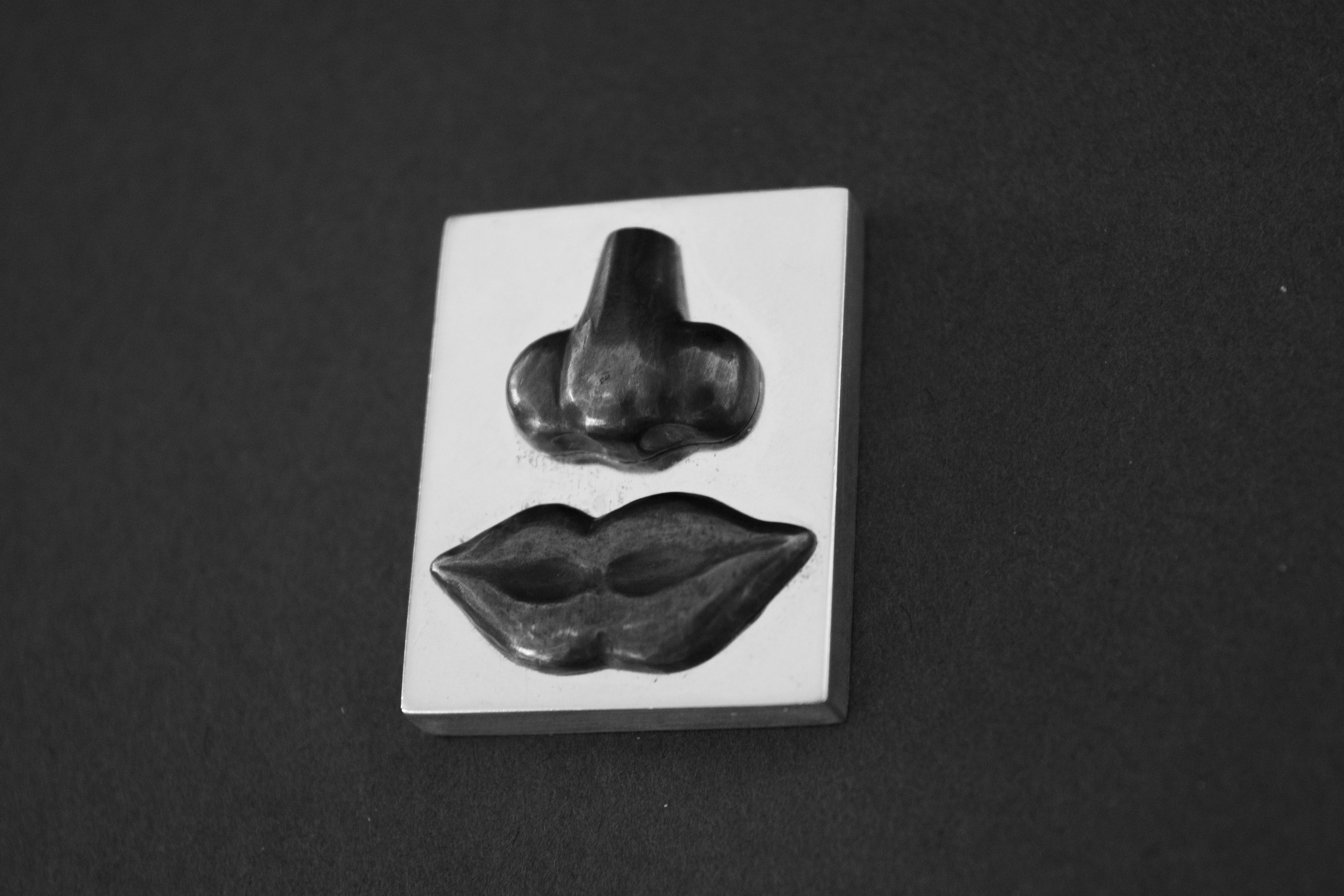
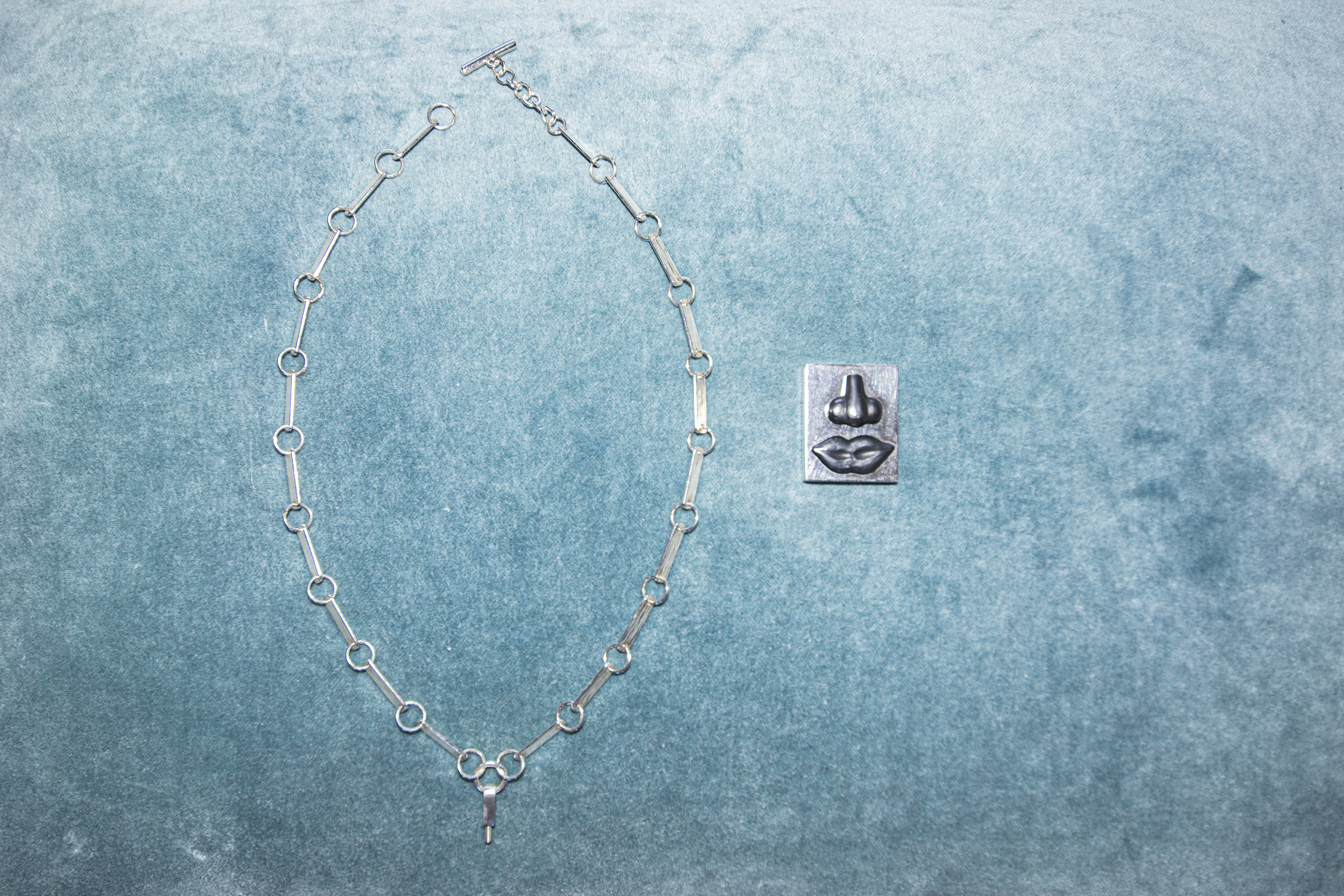
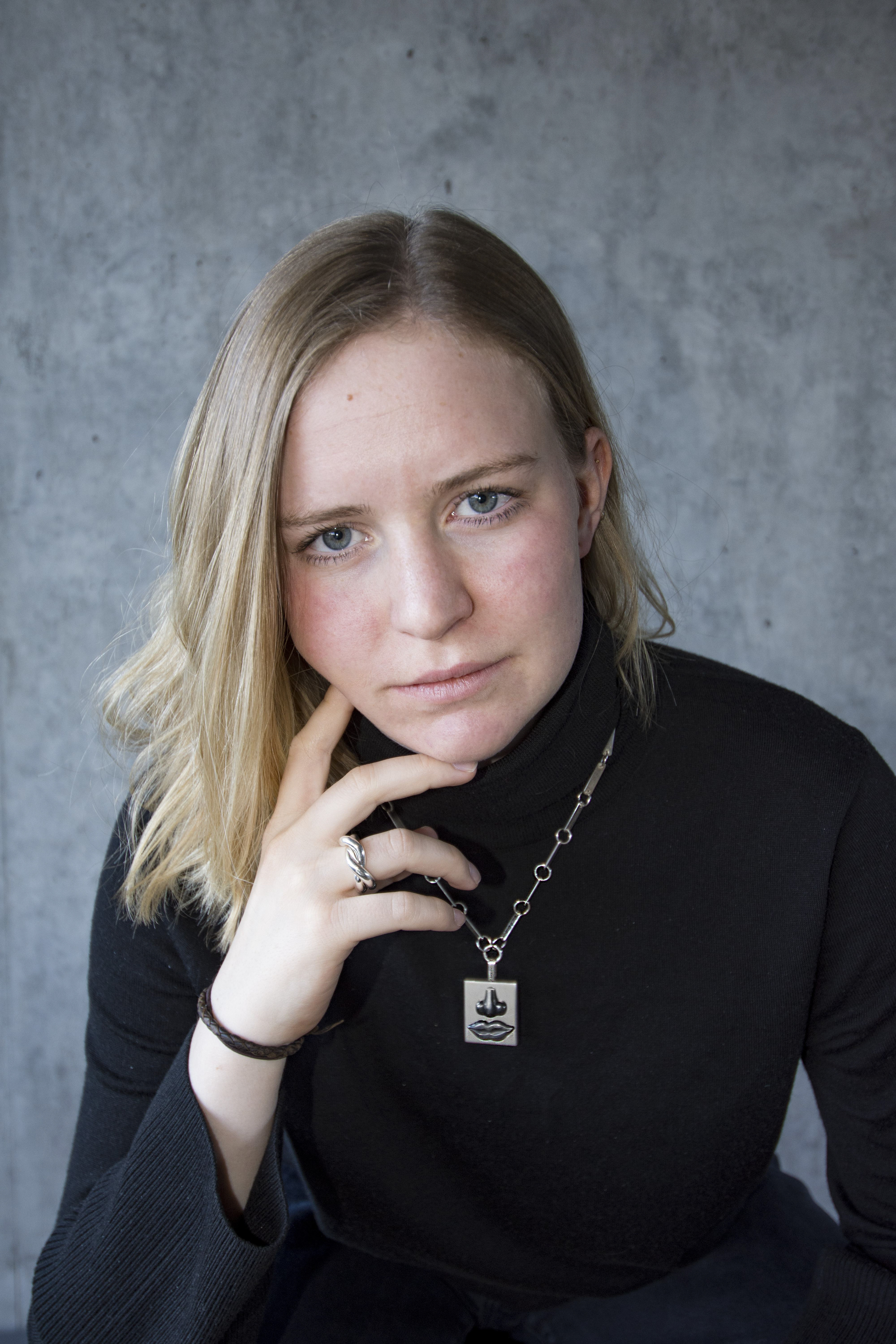
Inspired by the history of my people and the legends behind the jewelry piece, I designed my first jewellery collection. It consists of a pendant made of silver that can be worn as a bracelet, necklace, or ring. All pieces in this collection feature a hammered surface that connects them and gives them a unique character. The pendant itself depicts a nose and a mouth, two facial features deliberately chosen to create a simple yet expressive design. The oxidation of the metal adds a symbolic meaning to the pieces and stands out through the contrast with the silver.
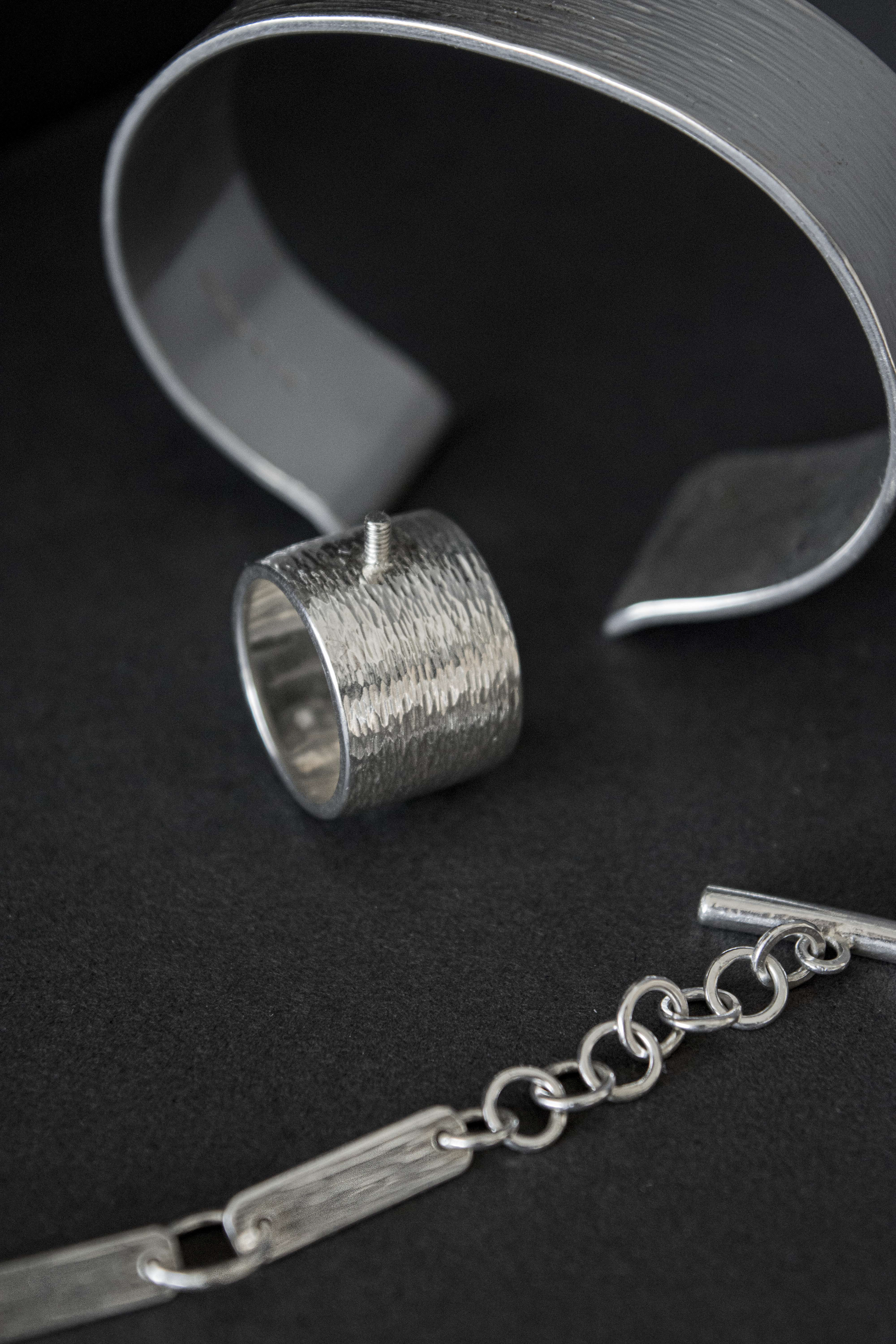
My collection consists of a main piece, the pendant, along with a necklace, a ring, and a bracelet.
The surface pattern is visible on each piece of jewellery.
The main piece is attached using small threads located on the back and the top of the pendant.
The surface pattern is visible on each piece of jewellery.
The main piece is attached using small threads located on the back and the top of the pendant.